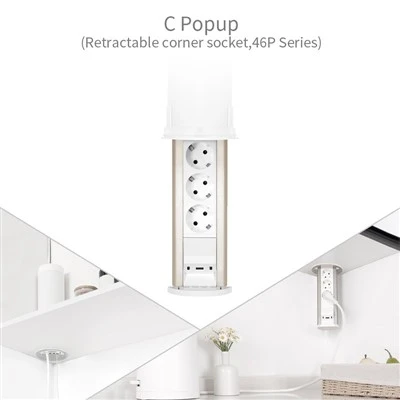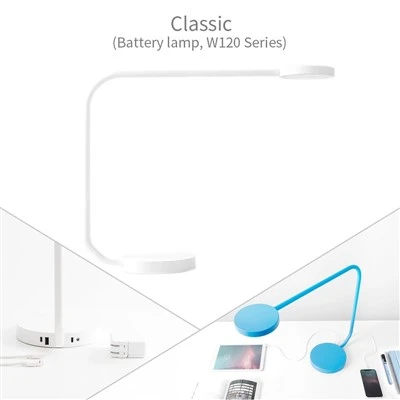
With the rapid growth of electronic devices and the expansion of intelligent application scenarios, the power management industry faces increasingly higher requirements for product performance and technological innovation. As an important component connecting power sources and electronic equipment, power cable box technologies are continuously improving through structural optimization, safety enhancements, and intelligent functions, helping increase product reliability, efficiency, and practical value.
The core technologies of power cable boxes mainly focus on electrical transmission, safety protection, structural design, and intelligent control. In terms of power transmission technology, manufacturers optimize internal conductive components and circuit layouts to improve current transfer efficiency, reduce energy loss, and ensure stable power supply for connected devices. The use of high-quality conductive materials further enhances electrical performance and long-term reliability.
Safety protection technology is one of the most important areas in power cable box development. Since power cable boxes operate in environments involving continuous electrical transmission, issues such as overload, short circuits, and abnormal voltage conditions may affect equipment safety. Modern power cable boxes therefore adopt multiple protection technologies, including overload protection, short-circuit protection, surge protection, and anti-electric shock designs. When abnormal conditions occur, these protection systems respond quickly to reduce potential damage and improve overall electrical safety.
In terms of structural design technology, power cable boxes increasingly focus on space efficiency and installation convenience. Through modular designs, concealed wiring solutions, and optimized internal layouts, products can meet the requirements of different application environments. Whether used in office desks, conference equipment, smart homes, or industrial systems, different structural solutions help achieve more effective power management.
With the development of intelligent technologies, smart control functions are gradually being integrated into power cable boxes. Some advanced products now include intelligent recognition, fast USB charging, remote control, and status monitoring features. These functions allow users to manage power usage more conveniently, improve equipment efficiency, and create new possibilities for automated and digital power management solutions.
In addition, material technology advancements are also improving power cable box performance. The use of high-strength, heat-resistant, and environmentally friendly materials enhances housing protection, extends product lifespan, and allows products to operate reliably in different environments.
In the future, with the continued development of smart offices, smart homes, and industrial automation, power cable box technologies will further advance toward higher integration, improved safety, and intelligent operation. Through continuous research and innovation, manufacturers will continue optimizing power connection products and providing users with more stable, efficient, and secure power management solutions.