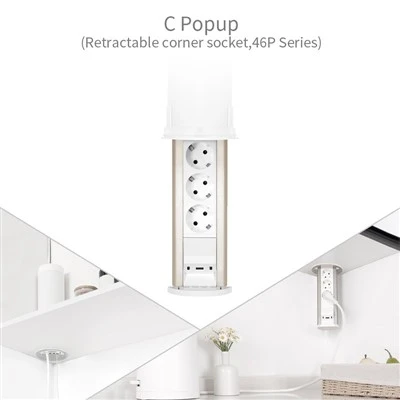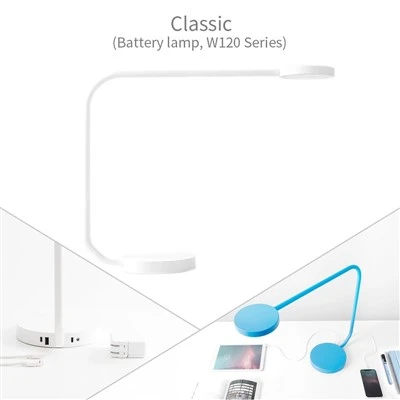
With the increasing number of electronic devices in daily life, people have higher expectations for power connection solutions. Traditional fixed wall outlets often have limitations in flexibility, space adaptation, and the number of devices they can support. As a result, desktop power strips have become an important power management product in offices, homes, and commercial environments due to their convenience, safety, and efficiency. Understanding the definition and functions of desktop power strips helps users better recognize their value in modern power management.
A desktop power strip is a power connection device designed for use on desks, workstations, and other nearby application areas. Its main purpose is to provide power supply and centralized management for multiple electronic devices. A typical desktop power strip consists of a protective housing, power input cable, multiple power outlets, safety protection components, and control structures. By connecting to an external power source, it distributes electricity through multiple output ports to support computers, monitors, mobile chargers, office equipment, and other electronic products.
Compared with traditional wall outlets, desktop power strips provide greater flexibility and portability. Users can place them directly on desks, conference tables, or near equipment according to their specific needs, avoiding inconvenience caused by distant power sources. At the same time, desktop power strips help centralize the power connections of multiple devices, reducing cable clutter and improving space utilization.
A desktop power strip is not only a simple power extension device but also an effective power management solution. During the design process, manufacturers usually integrate safety technologies such as overload protection, short-circuit protection, and anti-electric shock features to reduce potential risks when multiple devices are used simultaneously. Some advanced desktop power strips also include USB charging ports, intelligent control functions, and fast charging technologies to provide users with a more convenient experience.
In terms of applications, desktop power strips are widely used in offices, home workspaces, conference rooms, training areas, hotels, and public service environments. In modern offices, desktop power strips allow employees to connect computers, display devices, and mobile terminals more conveniently, improving work efficiency. In residential environments, they support smart devices, entertainment equipment, and daily electronic products while helping create cleaner and more organized living spaces.
With the development of smart offices and digital lifestyles, desktop power strips continue to evolve. In the future, these products will further integrate intelligent control, safety monitoring, and multifunctional interface technologies, moving toward smarter and more efficient power connection solutions while providing users with safer and more convenient power management experiences.