With the expanding use of electronic devices in modern environments, power management products are becoming increasingly important in various applications. As a key component in power connection systems, power cable boxes not only provide electrical transmission but also support cable organization, safety protection, and space optimization. A well-designed structure is essential for stable operation and directly affects product reliability and user experience.
A power cable box is generally composed of a protective housing, power input module, internal conductive components, output interfaces, safety protection devices, and supporting fixing structures. These components work together to achieve stable power supply, efficient cable management, and reliable protection.
The housing is one of the most important structural components of a power cable box. It mainly protects internal components and improves overall durability. High-quality power cable boxes are usually made from wear-resistant, heat-resistant, and flame-retardant materials, which help reduce the impact of external conditions on internal circuits and electrical components. A well-designed housing also extends product lifespan and improves safety during daily use.
The internal conductive structure is the core part responsible for power transmission. Through optimized arrangements of conductive plates, connection terminals, and power circuits, the system ensures stable current flow and reduces potential risks caused by poor contact or improper circuit design. Some advanced products use improved circuit structures to enhance power efficiency and operational stability.
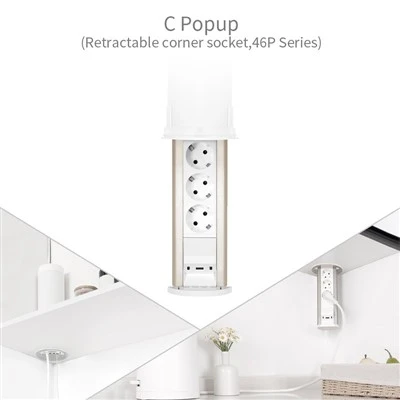
Interface layout is another important structural feature of power cable boxes. Depending on different application requirements, products may include various power outlets, USB ports, and functional modules to support different electronic devices. Proper interface arrangement improves user convenience, prevents cable crossing, and creates a cleaner appearance.
Modern power cable boxes also place greater emphasis on installation design. Some products adopt concealed installation methods, built-in structures, or modular designs, allowing them to adapt better to office desks, conference equipment, smart home environments, and industrial applications while improving space utilization.
Safety protection structures are also essential in power cable box design. Features such as overload protection, short-circuit protection, and anti-electric shock designs help reduce risks caused by abnormal electrical conditions and provide stronger protection for both users and connected equipment.
In the future, with the continuous development of intelligent technologies, power cable box structures will further evolve toward higher integration, smarter functions, and improved safety performance. Manufacturers will continue optimizing product designs and manufacturing processes to deliver more stable, efficient, and secure power connection solutions.