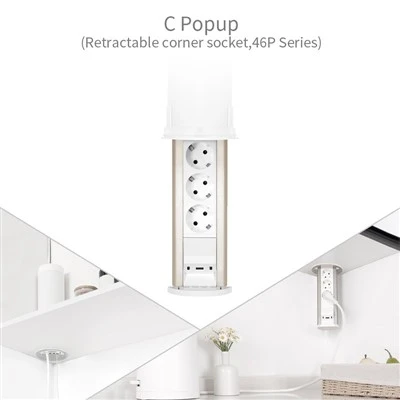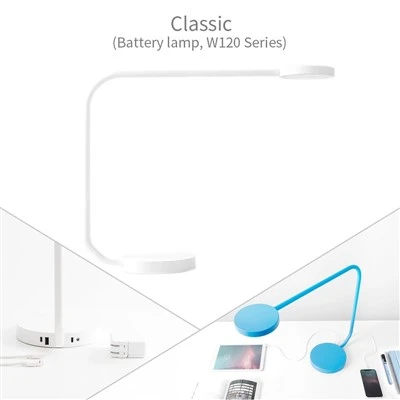
With the increasing popularity of office equipment, smart devices, and electronic products in daily life, desktop power strips have become an important power connection solution for many work and living environments. Facing a wide variety of products with different functions and designs, choosing the right desktop power strip according to actual requirements has become a key consideration for users. A suitable desktop power strip can improve connection efficiency, ensure electrical safety, and optimize space utilization.
When selecting a desktop power strip, safety performance should be the first factor to consider. Since desktop power strips are often used to connect multiple electronic devices and operate under continuous electrical loads, reliable safety features are essential. High-quality desktop power strips are usually made with heat-resistant and flame-retardant materials and equipped with functions such as overload protection, short-circuit protection, and anti-electric shock designs. Users should choose products that meet safety standards and provide reliable quality to reduce potential risks during use.
The application environment is another important factor in choosing a suitable desktop power strip. Different locations have different requirements. In office areas, users may need desktop power strips with sufficient outlets and well-organized layouts to support computers, monitors, printers, and other equipment. In home environments, users should focus more on safety, appearance, and convenience to support televisions, smart devices, and daily electronic products. For conference rooms and commercial spaces, products with flexible installation options and multi-user support are more suitable.
Interface configuration is also an important consideration. As the number of smartphones, tablets, wireless devices, and other electronics continues to increase, traditional single-function power outlets are often insufficient. Many modern desktop power strips now include USB charging ports, fast charging functions, and multiple interface combinations. Users should select products with suitable interface types and functions based on their devices and usage habits to avoid insufficient connections or unnecessary features.
Product structure and design details should also be carefully evaluated. High-quality desktop power strips usually feature efficient space layouts, stable structures, and convenient installation methods. Compact designs save desktop space, concealed cable management reduces clutter, and modular structures improve product adaptability.
In addition, brand reputation and after-sales service are important factors when purchasing a desktop power strip. Reliable manufacturers usually have complete production processes and quality control systems, providing users with more stable and dependable product experiences.
In the future, with the development of smart offices and smart homes, desktop power strips will continue evolving toward greater intelligence, multifunctionality, and improved safety. When choosing a product, users should consider their application environment, functional requirements, and safety standards to select the most suitable power management solution.