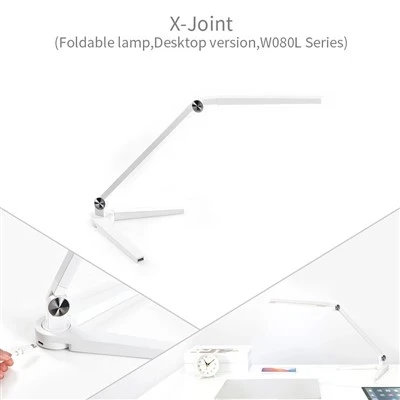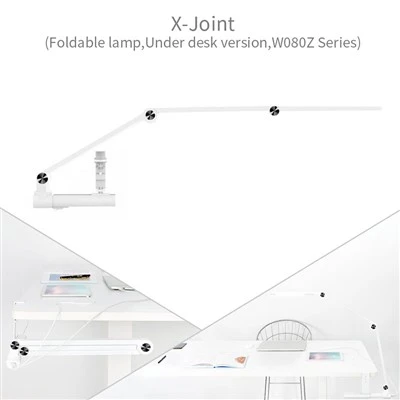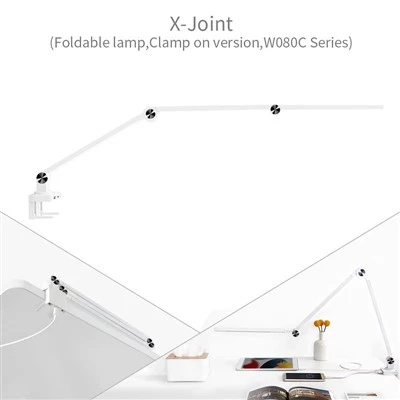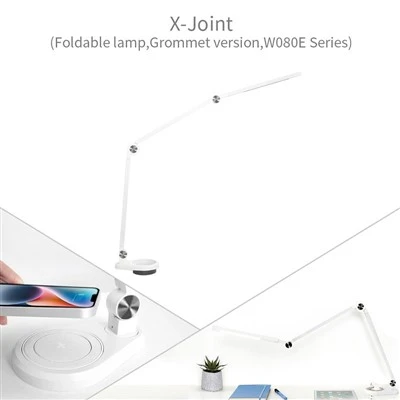
With the continuous development of modern offices, smart homes, and electronic applications, power connection products are facing higher requirements for structural design and performance. As a common power management device, desktop power strips must not only support multiple devices but also provide safety, convenience, and an attractive appearance. A well-designed structure is essential for improving product performance and delivering a more stable and efficient power connection experience.
A desktop power strip is generally composed of a protective housing, power input cable, power outlets, safety protection components, internal conductive modules, and control systems. These structural elements work together to provide electrical transmission, device connection, and safety protection functions.
The housing structure is one of the most important components of a desktop power strip. It mainly protects internal parts and improves overall product stability. High-quality desktop power strips are usually manufactured with wear-resistant, heat-resistant, and flame-retardant materials, which help reduce the impact of external conditions on internal circuits. In addition, well-designed housings improve durability while allowing products to integrate better into office desks, home environments, and commercial spaces.
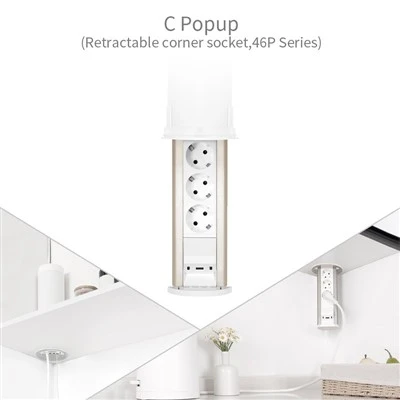
The layout of power interfaces is a key aspect of desktop power strip design. According to different usage requirements, products are usually equipped with multiple outlets arranged in an efficient way to maximize space utilization. Some models also include USB charging ports, data interfaces, and other functional modules, allowing users to connect different types of electronic devices more conveniently.
The internal conductive structure determines the power stability of a desktop power strip. By using high-quality conductive materials and optimized circuit layouts, manufacturers can ensure smoother current transmission and reduce issues such as poor contact and excessive heat generation. A well-designed internal structure also improves long-term reliability during continuous operation.
Safety protection structures are essential features of modern desktop power strips. Products are commonly equipped with overload protection, short-circuit protection, anti-electric shock designs, and flame-retardant isolation structures. When abnormal electrical conditions occur, these protection systems respond quickly to reduce risks and protect both users and connected equipment.
In addition, desktop power strips are increasingly designed with flexible installation structures. Compact designs, concealed cable management, and modular structures allow products to adapt to different desktop environments and installation requirements, making power management cleaner and more efficient.
In the future, with the development of smart offices and digital lifestyles, desktop power strip structures will continue evolving toward greater integration, intelligence, and safety. Through continuous improvements in product design and manufacturing technology, desktop power strips will provide users with more reliable, convenient, and modern power management solutions.